
Contour
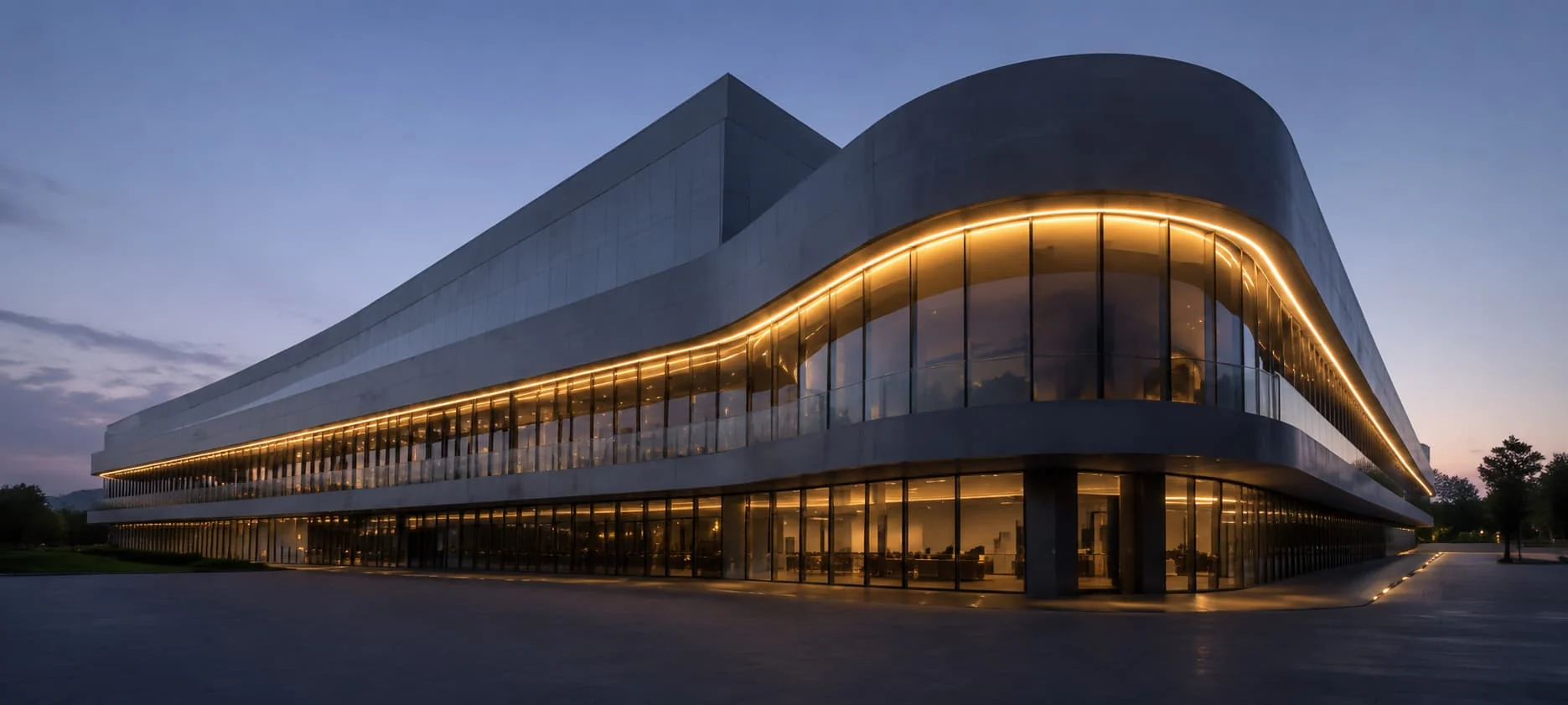
Give an edge a clear expression. Trace a ceiling line, a facade curve or a change in level, then consider the view from both near and far. Align the intended geometry with the product’s permitted bend direction, radius and mounting detail.
Applications
Follow the architecture. Shape the atmosphere. Guide the journey. Explore how a line of light can change the way a place is experienced.
Each application begins with a design intention. Confirm the complete product configuration for its location and use.
01 / Architecture / Form & detail
What should the eye follow?
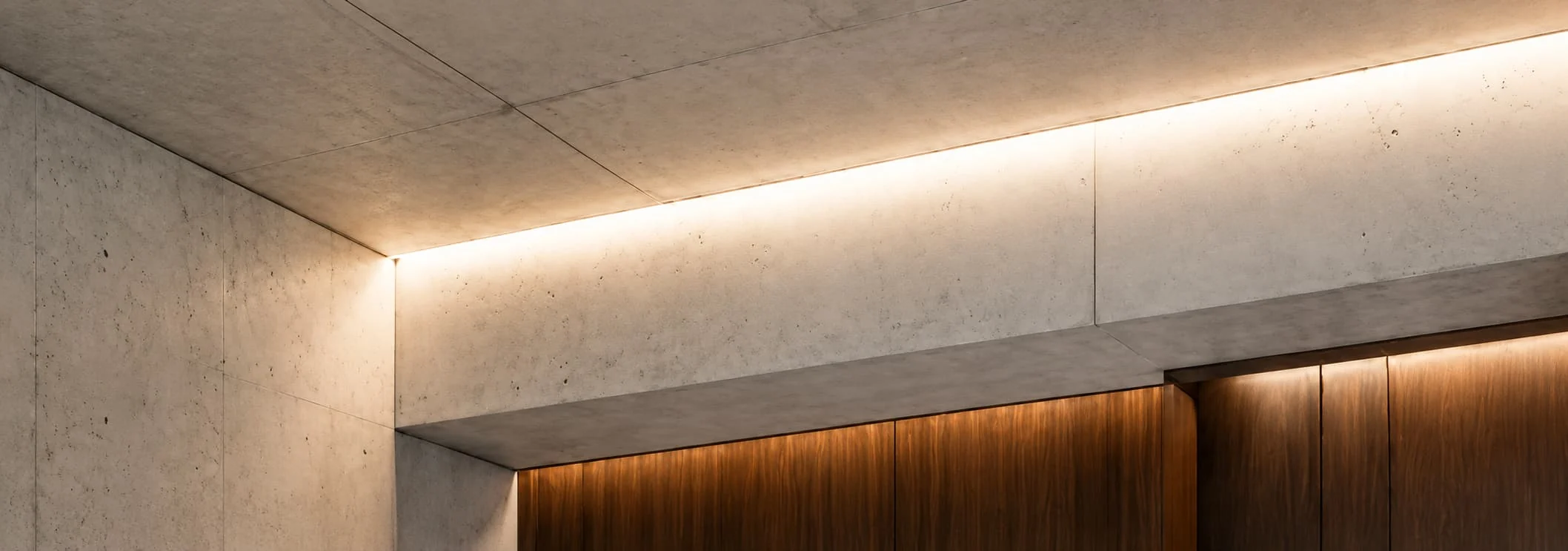
Give an edge a clear expression. Trace a ceiling line, a facade curve or a change in level, then consider the view from both near and far. Align the intended geometry with the product’s permitted bend direction, radius and mounting detail.
Let light belong to the architecture. A recessed line can sit quietly within a surface; a concealed source can reveal texture or depth. Develop the section alongside the finish, viewing angle and access needed for maintenance.
02 / Interiors / Feeling & identity
How should the space feel?
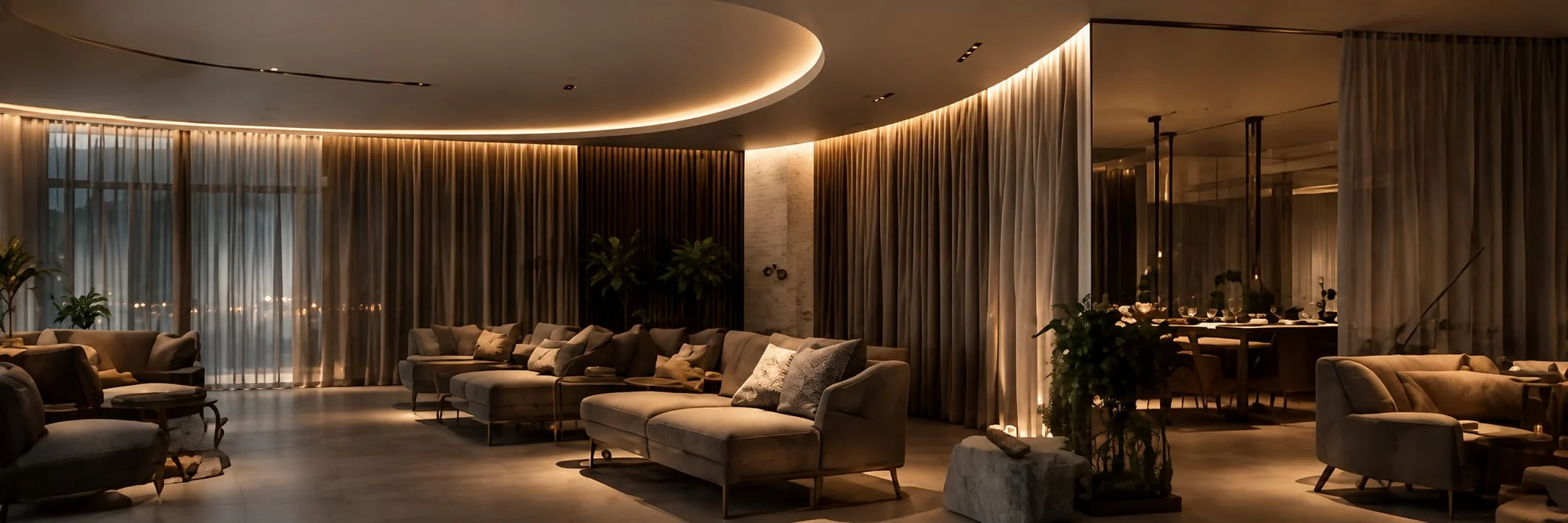
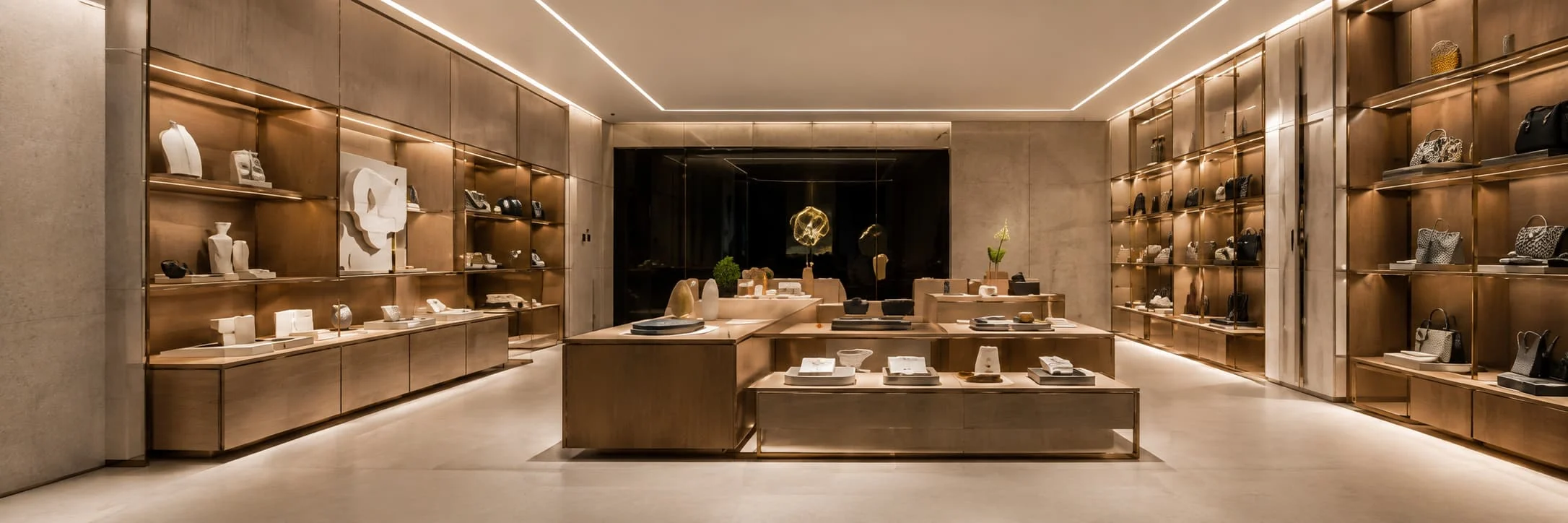
Shape the feeling of a space through the relationship between brightness, color and shadow. Start with the activities and moments the room needs to support. Explore the effect on actual materials and review how the scene should change through the day.
Create a visual signature with a deliberate rhythm, shape or color. In retail and expressive interiors, repetition can connect separate areas into one composition. Decide where the signature should be prominent and where the architecture needs a quieter background.
03 / Landscape / Environment & custom
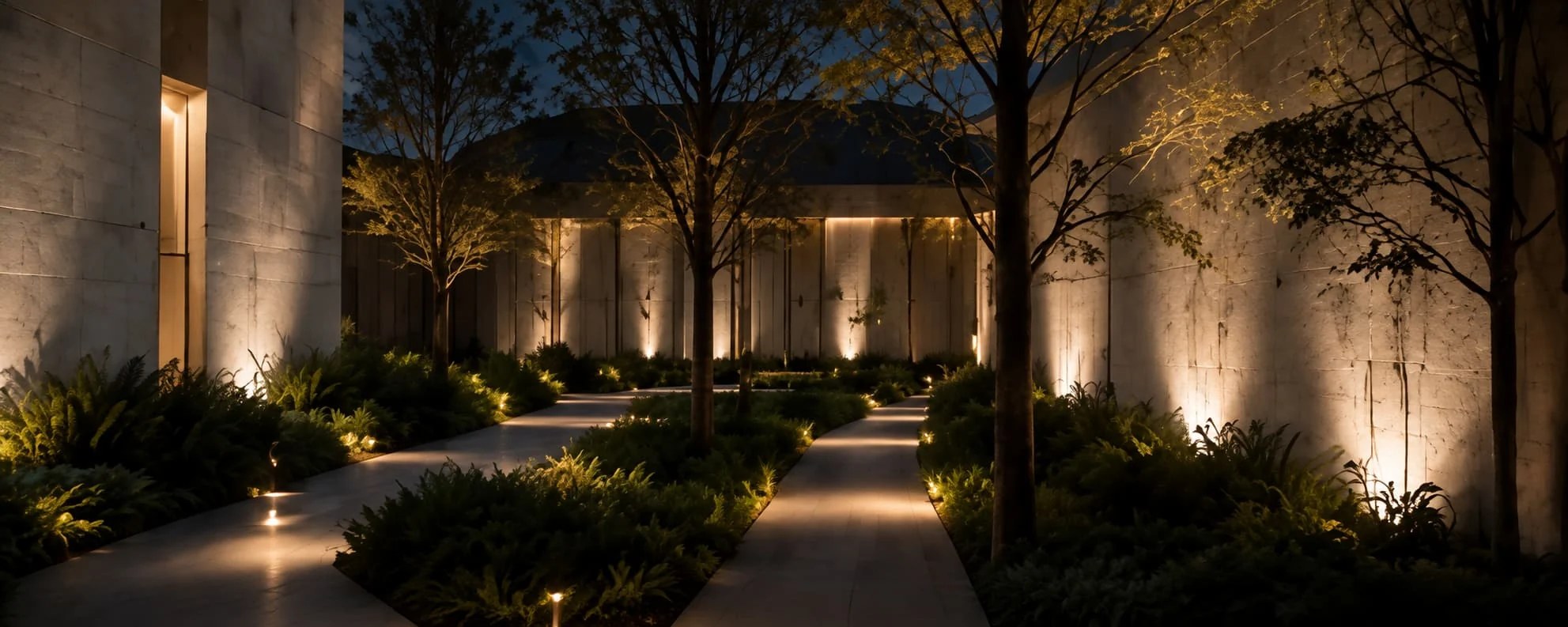
Where does the journey lead?
Give every illuminated outdoor element a purpose. Aim light where it is useful, limit spill and consider dimming or switching off when it is not needed. Resolve exposure and finished connections with the selected system before committing to a detail.
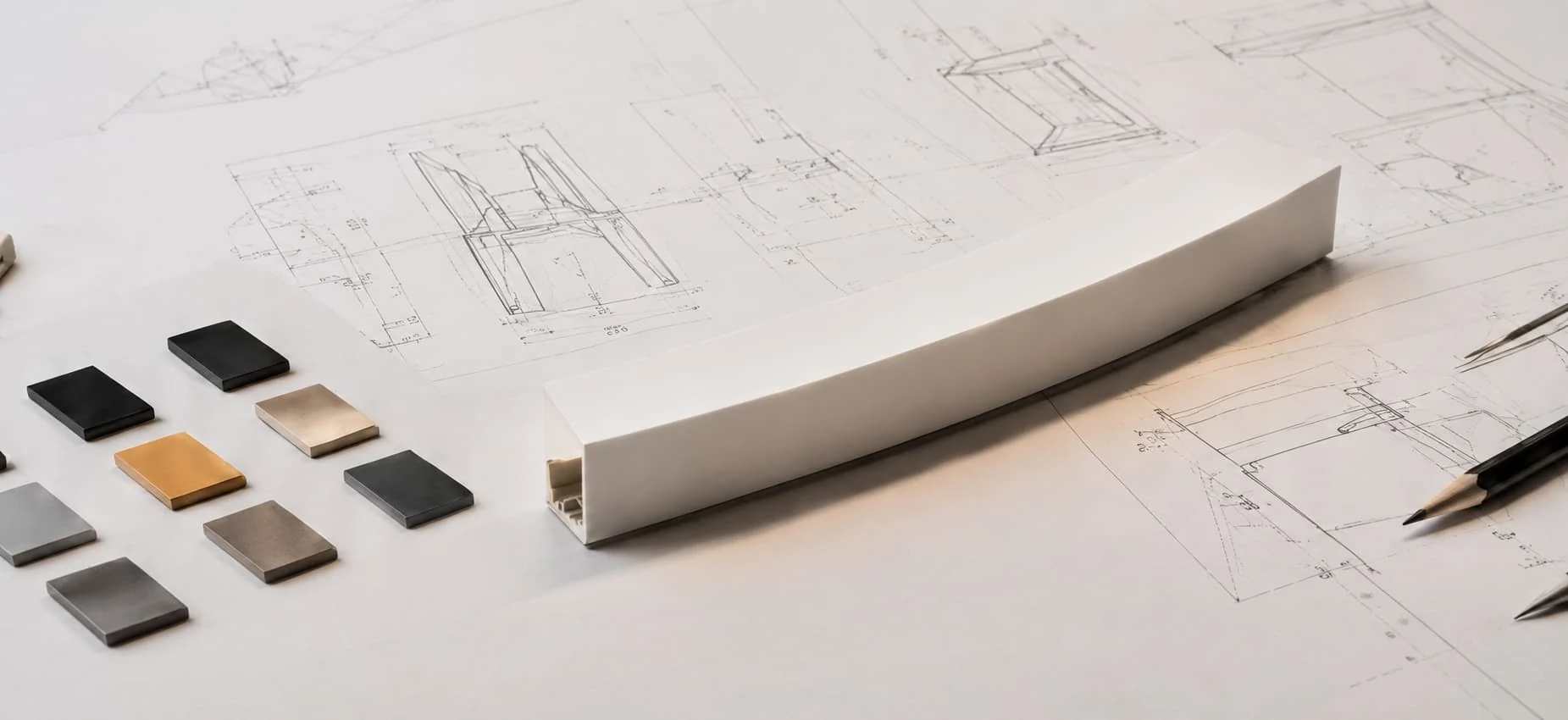
Begin with the requirement a standard detail cannot answer. It may be a particular curve, length, color, output or connection. Bring the critical dimensions and constraints to the discussion so feasibility, sampling and documentation can develop together.
Bring the decisions together
The visible line is the result of connected decisions. The light source establishes the starting point; the profile and diffusion shape how that light appears. Power, control and accessories complete the installation.
Specify these parts together. Record the selected configuration, control method, mounting and connections so that the visual intention and the technical detail remain aligned. Review a sample where appearance or integration is critical.
From intention to a project brief
Concept establishes the intention. Sample brings light, material and detail into the same view. Specify connects that decision to drawings and the applicable technical records.
Produce and Deliver follow a resolved project brief. Begin the conversation with a sketch, section or reference image, then identify the fixed constraints and the decisions that still need to be made.